Boat Tow-Ready? Used SUVs & Trucks That Handle Weekend Trailers
Posted Thursday, Dec 11, 2025
Weekends in Jacksonville often mean boats, jet skis, and time on the water—but only if your vehicle is truly tow-ready. Not every SUV or truck that can tow is set up to do it comfortably and safely. This guide breaks down what actually matters before you hitch up, from towing capacity to braking and cooling basics. If you’re shopping towing trucks in Jacksonville NC or tow-capable SUVs, these checks help you avoid surprises at the ramp.
What “Tow-Ready” Really Means for Jacksonville Drivers
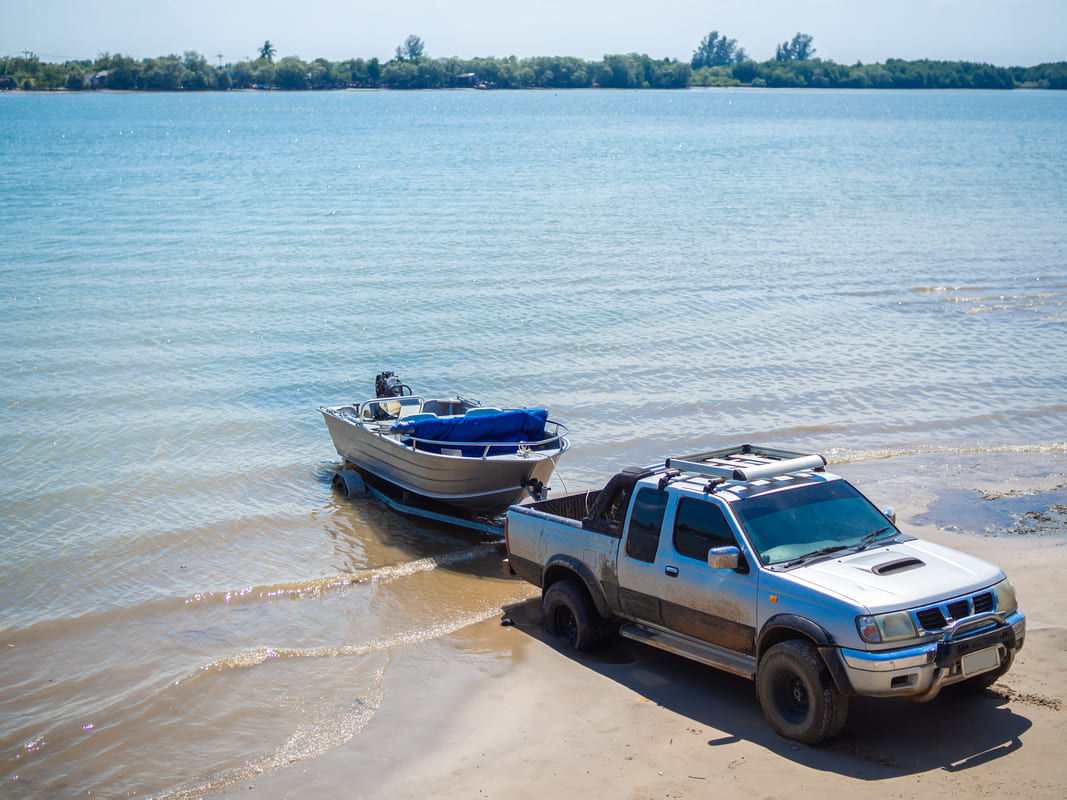
Being “tow-ready” is more than a number on a spec sheet. For towing trucks in Jacksonville NC, real-world towing includes repeated stops, humid coastal air, boat ramps, and short highway runs. A vehicle that tows well needs the right combination of power, braking, cooling, and stability—not just a hitch.
Coastal conditions add extra demands. Launch ramps can be slick, salt air stresses components, and summer heat pushes engines and transmissions harder. Tow-ready vehicles handle these conditions with confidence: steady braking, controlled acceleration, and no overheating when pulling away from a ramp or merging onto the road.
For Jacksonville drivers, it’s also about consistency. Weekend towing means your vehicle should feel composed every time—not strained on hills, not vague in the steering, and not overwhelmed by the trailer’s weight. That’s the difference between “tow-capable” and truly tow-ready.
Used SUVs and Trucks That Handle Boat Towing Well
When it comes to tow-ready SUVs in Onslow County, midsize SUVs and half-ton pickups tend to offer the best balance. Midsize SUVs can handle lighter boats and jet skis comfortably, especially when properly equipped with factory towing packages. They’re easier to live with day-to-day while still covering weekend needs.
Pickup trucks bring more margin. With stronger frames, higher payload ratings, and more robust cooling, they’re a solid choice for heavier boats or frequent towing. For many buyers looking for a dependable boat towing vehicle in NC, a used pickup offers confidence at ramps and on the highway—especially in summer heat.
The key is matching the vehicle to your trailer. Jet skis and small boats fit well behind properly equipped SUVs, while larger boats benefit from trucks that won’t feel maxed out. In Jacksonville’s coastal environment, choosing a vehicle with a little extra capability often leads to a calmer, safer towing experience.
Brakes, Cooling, and Drivetrain Checks Before You Hitch Up
Before towing anything on the NC coast, the vehicle’s braking and cooling systems deserve extra attention. For any boat towing vehicle in NC, these components do most of the hard work—especially at ramps and in summer heat.
Start with the brakes. Towing adds significant stopping weight, so brake pads and rotors should be in good condition with no vibration, pulling, or squealing. If the vehicle supports trailer brakes, make sure the wiring and controller are present and functional.
Cooling is just as critical. Towing puts extra load on the engine and transmission, particularly in humid coastal weather. Vehicles equipped with factory tow packages often include upgraded radiators or transmission coolers—these are a big plus. During a test drive, watch temperature gauges and note any hesitation or strain under acceleration.
Finally, consider the drivetrain. Smooth gear changes, no clunking when shifting into drive or reverse, and steady power delivery are signs the vehicle can handle towing without stress.
Hitch, Payload, and Tongue Weight Basics
Understanding hitch and payload tips in Jacksonville can prevent common towing mistakes. First, check the hitch class—it must match your trailer’s weight. Next, know your payload rating; this includes passengers, gear, and the trailer’s tongue weight combined.
Tongue weight (the downward force on the hitch) should be balanced—not too light, not too heavy. Poor balance leads to sway, unstable braking, and uneven tire wear. Getting these basics right makes towing safer and far more comfortable.
Test Drive Tips for Towing-Capable Vehicles
Even without a trailer attached, a test drive can reveal whether a vehicle is truly tow-ready. Pay attention to low-speed control and braking feel—both should be confident and predictable. Excessive nose dive under braking or sluggish acceleration can signal limited towing comfort.
Steering matters too. A solid towing platform feels stable, not floaty, especially at highway speeds. During turns and lane changes, the vehicle should stay composed, not wander or feel overly light in the front.
Also listen carefully. Whining from the transmission, overheating smells, or delayed shifts under light load are warning signs. A good towing vehicle feels calm and controlled—even when you ask a bit more from it.
Weekend Towing in Onslow County — Smart Buying Advice
For weekend towing around Jacksonville and Onslow County, buying slightly more capability than you think you need is usually the smart move. Coastal ramps, inland drives, and summer heat all add stress that spec sheets don’t show.
If towing is occasional and your trailer is light, a properly equipped SUV may be perfect. If you tow often or plan to upgrade boats later, a truck offers more breathing room and less long-term strain. Either way, focus on condition, cooling, brakes, and balance—not just max tow ratings.
A calm, confident towing experience starts with the right vehicle. When your SUV or truck handles the load without effort, weekends stay about the water—not the drive getting there.
People Often Ask (Jacksonville, NC)
What makes a vehicle truly tow-ready in Jacksonville, NC?
A vehicle is truly tow-ready when it has strong brakes, proper cooling, a suitable hitch setup, and stable handling—not just a high tow rating. For towing trucks in Jacksonville NC, real-world readiness matters more than specs alone.
Are SUVs good enough for towing boats in Onslow County?
Yes, for lighter boats and jet skis. Properly equipped tow-ready SUVs in Onslow County can handle weekend towing well, especially when they include a factory tow package.
What should I check before buying a used boat towing vehicle in NC?
Focus on brakes, transmission behavior, cooling systems, and hitch condition. A reliable boat towing vehicle in NC should feel composed during braking and acceleration, even without a trailer attached.
How important is payload and tongue weight when towing?
Very important. Ignoring hitch and payload tips in Jacksonville can lead to unstable towing, poor braking, and uneven tire wear. Proper balance keeps towing safe and predictable.
Should I buy more towing capacity than I need?
In most cases, yes. Choosing a vehicle with extra margin helps handle coastal ramps, summer heat, and future upgrades without pushing the vehicle to its limits.